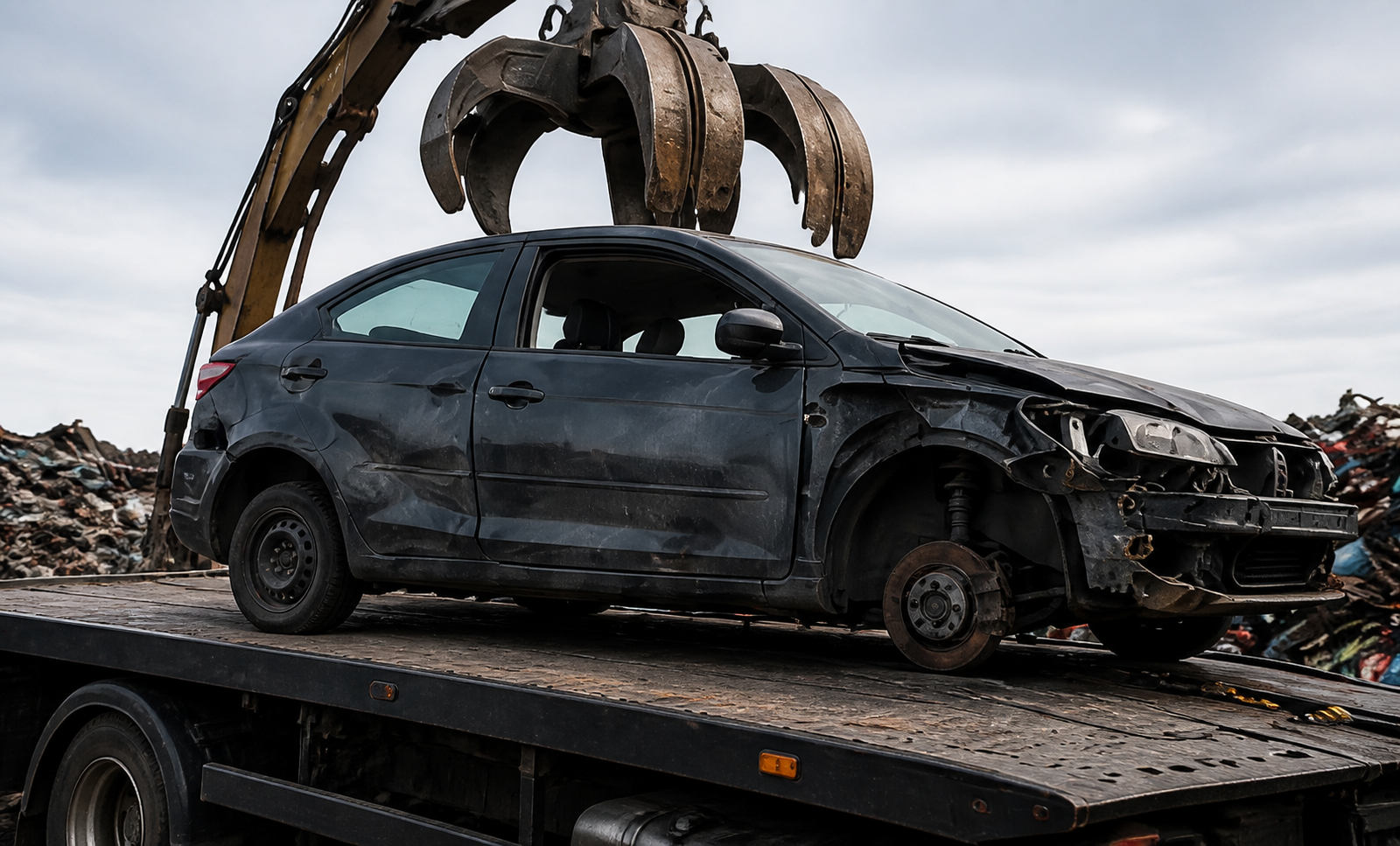
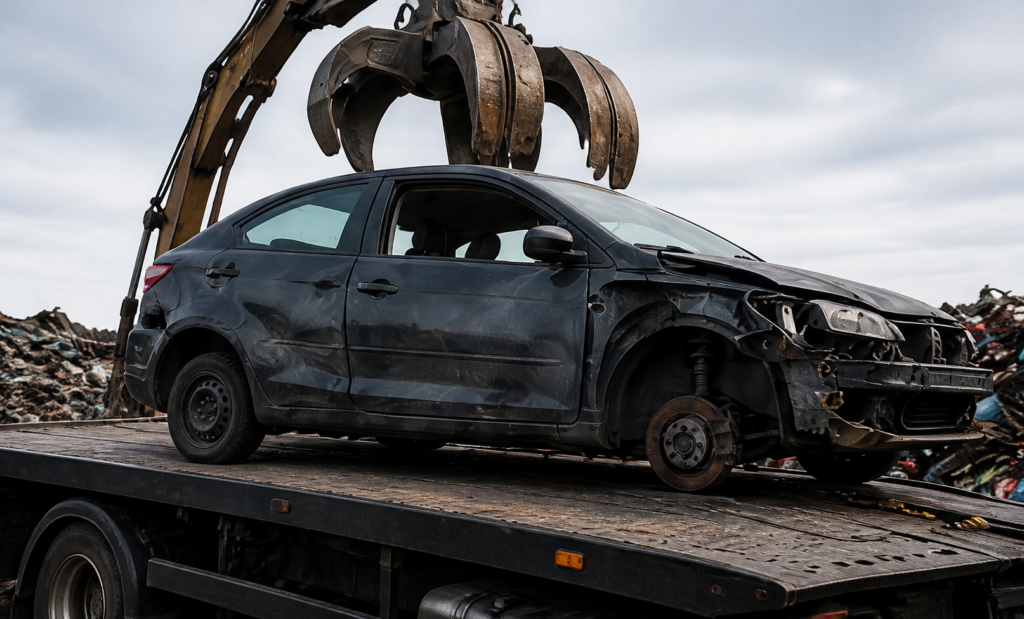
We buy any car” is useful shorthand, but responsible buyers still need to understand exactly what is being offered. Old, damaged, non-running and unwanted vehicles come in many conditions. The best enquiry gives enough information for the team to decide whether the vehicle fits the service and how it could be collected.
A car does not need to be clean, recently warranted or ready for a private buyer before you ask Max Removal to consider it. At the same time, acceptance and any offer depend on the actual vehicle, its completeness, ownership, location and access. Honest information is the quickest route to a useful answer.
Old and high-kilometre vehicles
Age alone does not tell the whole story. An older car may still be complete and mobile, while a newer one may have serious mechanical or accident damage. Share the year, make, model, engine or variant if known, approximate kilometres and the main reason you want to sell.
If registration or inspection status has expired, mention it. Do not drive an unsafe or unauthorised vehicle simply to make collection easier. The pickup location and condition can be discussed with the team.
Damaged and repair-heavy cars
Body damage, failed engines, transmission problems, electrical faults and repeated repair costs can make a private sale difficult. Describe the issue in plain language. You do not need to diagnose a fault you do not understand, but you should pass on what you know and avoid presenting the vehicle as better than it is.
For collision damage, say which end or side is affected, whether airbags deployed, whether glass is broken and whether the wheels still turn. Photographs can help the team understand the condition without relying on vague terms such as “minor damage”.
Non-running or incomplete vehicles
A non-running car can still be submitted. State whether it rolls, steers and brakes, whether all wheels and tyres are present, and whether there are keys. List major parts that have been removed. Missing parts may affect both the assessment and the equipment needed for collection.
- Battery or electrical components
- Engine or transmission parts
- Wheels, tyres or suspension components
- Catalytic converter or exhaust parts
- Seats, doors, bonnet or panels
- Keys, immobiliser devices or registration plates
Do not reinstall unsafe parts or hide missing components for the sake of the quote. A clear description is safer and makes the final handover more predictable.
Common vehicle categories
Max Removal’s core service is aimed at passenger cars, hatchbacks, sedans, wagons, SUVs, utes and light vans. If you have an unusual vehicle or one outside those categories, call first and explain what it is. The team can tell you whether it should be submitted through the standard quote process.
Information that helps a buyer respond
- Identity: registration, make, model, year and variant if known.
- Condition: starting, driving, steering, braking, damage and known faults.
- Completeness: keys, wheels and any major missing part.
- Ownership: your authority to sell and any finance or security interest.
- Location: pickup town or area, parking position, gates, slope and truck access.
- Timing: when you hope to arrange collection, subject to confirmed availability.
Once those details are available, request a quote and ask any questions before accepting. The website does not calculate a guaranteed value. The team reviews the information and discusses the next step with you.
Choose the service that matches your need
If your priority is receiving an offer, begin with Cash for Cars South Island. If the main challenge is moving a vehicle that does not run or is awkwardly parked, read the Car Removal South Island guidance. Both routes use the same underlying vehicle information, so you do not need to submit several duplicate forms.
South Island enquiries
Vehicle owners across the South Island can send their details for review. Include the exact pickup town or area because distance, vehicle condition and access are part of collection planning.
Frequently asked questions
Is a vehicle automatically accepted?
No. “Any car” describes the wide range that can be considered. The team still reviews the specific vehicle, ownership and collection situation.
Can I submit a car with no current WOF or registration?
You can explain the status in the enquiry. Do not drive a vehicle that is unsafe or not permitted on the road.
Do photographs matter?
They can make unusual damage or access much easier to understand. Use recent, clear images and show the whole vehicle as well as important damage.
To start, use the form on this article or visit We Buy All Cars Across the South Island.